

During EU Hydrogen Week, stakeholders from India and the European Union convened at the Certification Roundtable to address one of the most pressing issues in the green hydrogen sector: certification. The discussion focused on the stringent Renewable Fuels of Non-Biological Origin (RFNBO) standards under the EU’s Renewable Energy Directive (RED) and pathways to align India’s rapidly growing green hydrogen industry with these requirements.
With the EU aiming to import an additional 10 MMT of green hydrogen by 2030, compliance with RFNBO criteria is critical for Indian producers seeking access to the European market.
Certification forms the foundation for ensuring hydrogen production aligns with decarbonization goals. The EU’s RFNBO framework is built around three key pillars:
Additionality
Ensuring that renewable energy used for hydrogen production comes from newly added capacity, rather than being diverted from existing sources.
Temporal Correlation
Matching hydrogen production with renewable energy generation, with requirements tightening from monthly to hourly correlation by 2030.
Geographical Correlation
Demonstrating a direct link between renewable energy sources and hydrogen production facilities.
Indian stakeholders face the challenge of adapting projects to meet these criteria while maintaining economic viability and technical feasibility.
Key Challenges Discussed
Temporal and Geographical Correlation
Indian developers expressed concerns about the shift to hourly correlation after 2030, citing higher costs and the need for significant infrastructure upgrades. Many participants advocated for a phased transition to allow developers and investors adequate time to adapt.
India’s unified grid system was highlighted as a distinctive advantage, with calls for its recognition as a single bidding zone under EU standards. Participants noted that such recognition could simplify compliance with geographical correlation requirements.
Regulatory Uncertainty and Long-Term Risks
Stakeholders emphasized the importance of regulatory stability for long-term project financing. Uncertainty around evolving standards increases financial risk, leading to calls for “grandfathering clauses” to protect projects from regulatory changes after commissioning.
The Need for Early Engagement
Developers shared experiences with pre-certification processes, underscoring the importance of embedding certification requirements into project planning from the outset. Early engagement—especially during data collection and project design—was identified as critical to avoiding delays and complications.
Guarantees of Origin (GOs) and Verification
Discussions highlighted the role of Guarantees of Origin as a credible mechanism to verify renewable energy claims. Indian stakeholders were encouraged to adopt similar systems to align with EU practices and enhance transparency in green hydrogen certification.
Balancing Decarbonization with Feasibility
While there was broad agreement on the need for robust certification standards to prevent greenwashing, participants stressed the importance of balancing ambition with practicality. A pragmatic approach was advocated—one that supports decarbonization without imposing prohibitive costs, particularly in emerging markets such as India.
As the global green hydrogen economy gains momentum, India and the EU are uniquely positioned to set international benchmarks for certification and trade. Through collaboration, trust-building, and alignment of standards, both regions can drive innovation and establish a strong foundation for the global green hydrogen market.
Nov 19 2024 00:00
Brussels, Belgium




Missed our event?
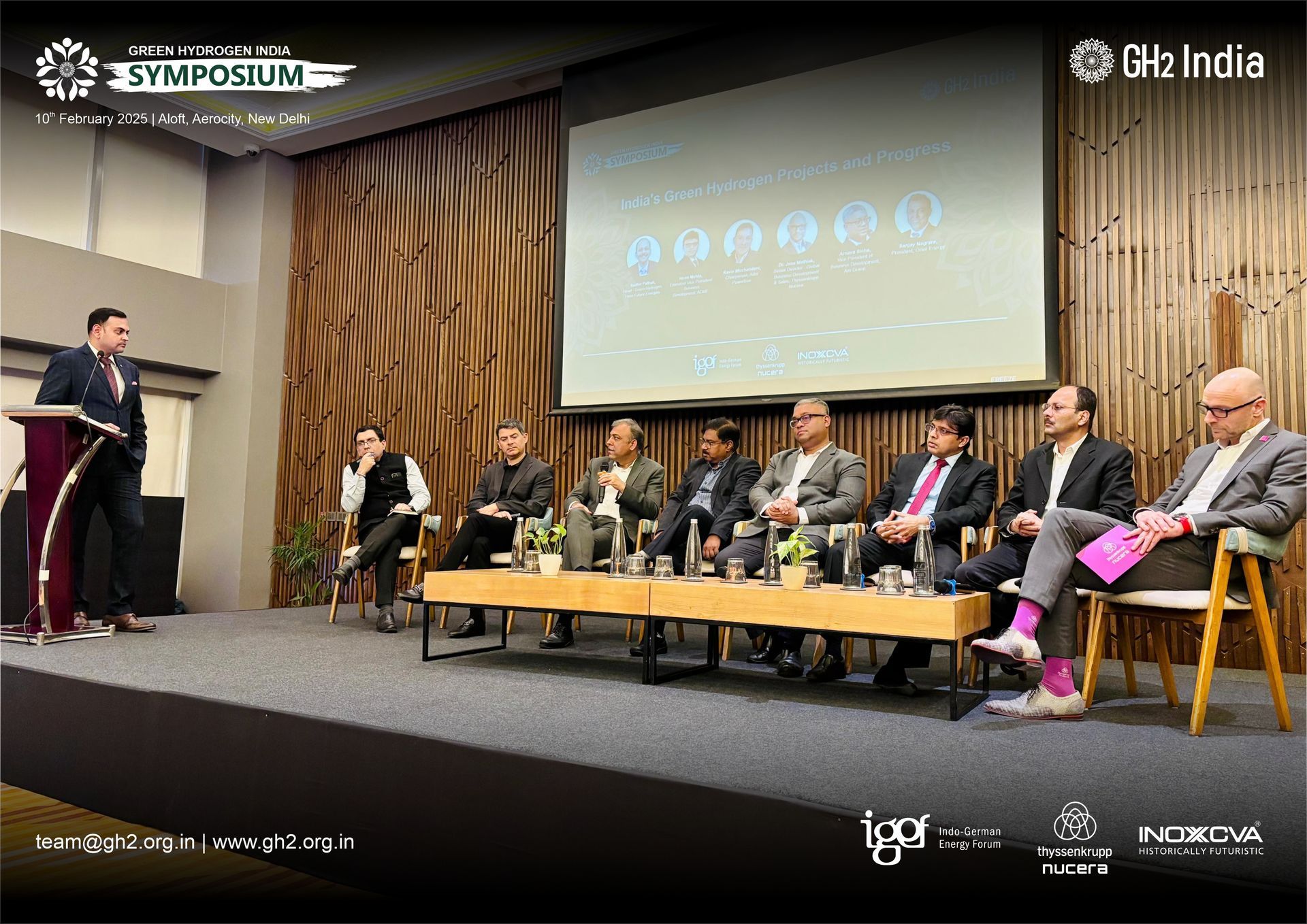
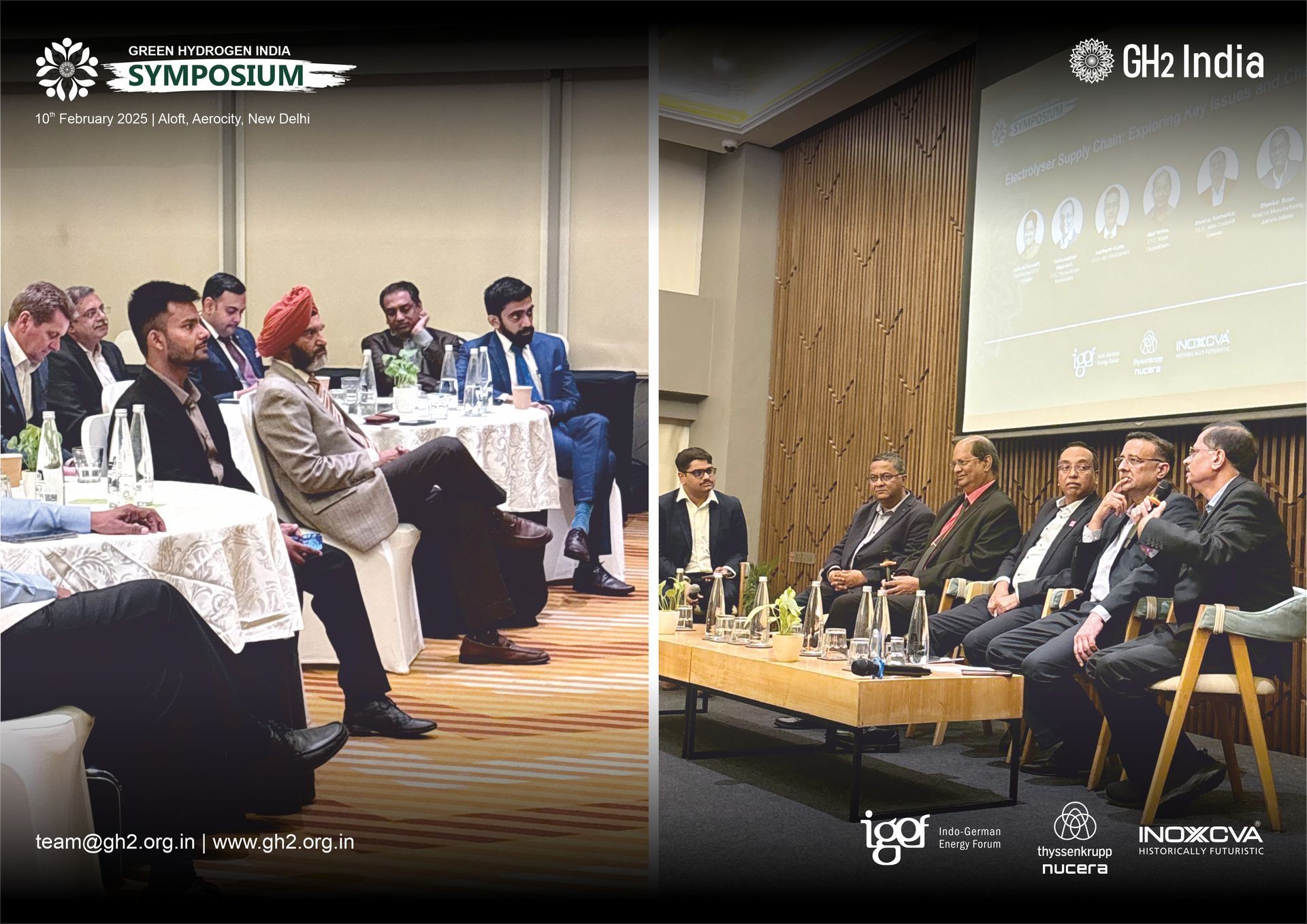
GHIS - Session 1
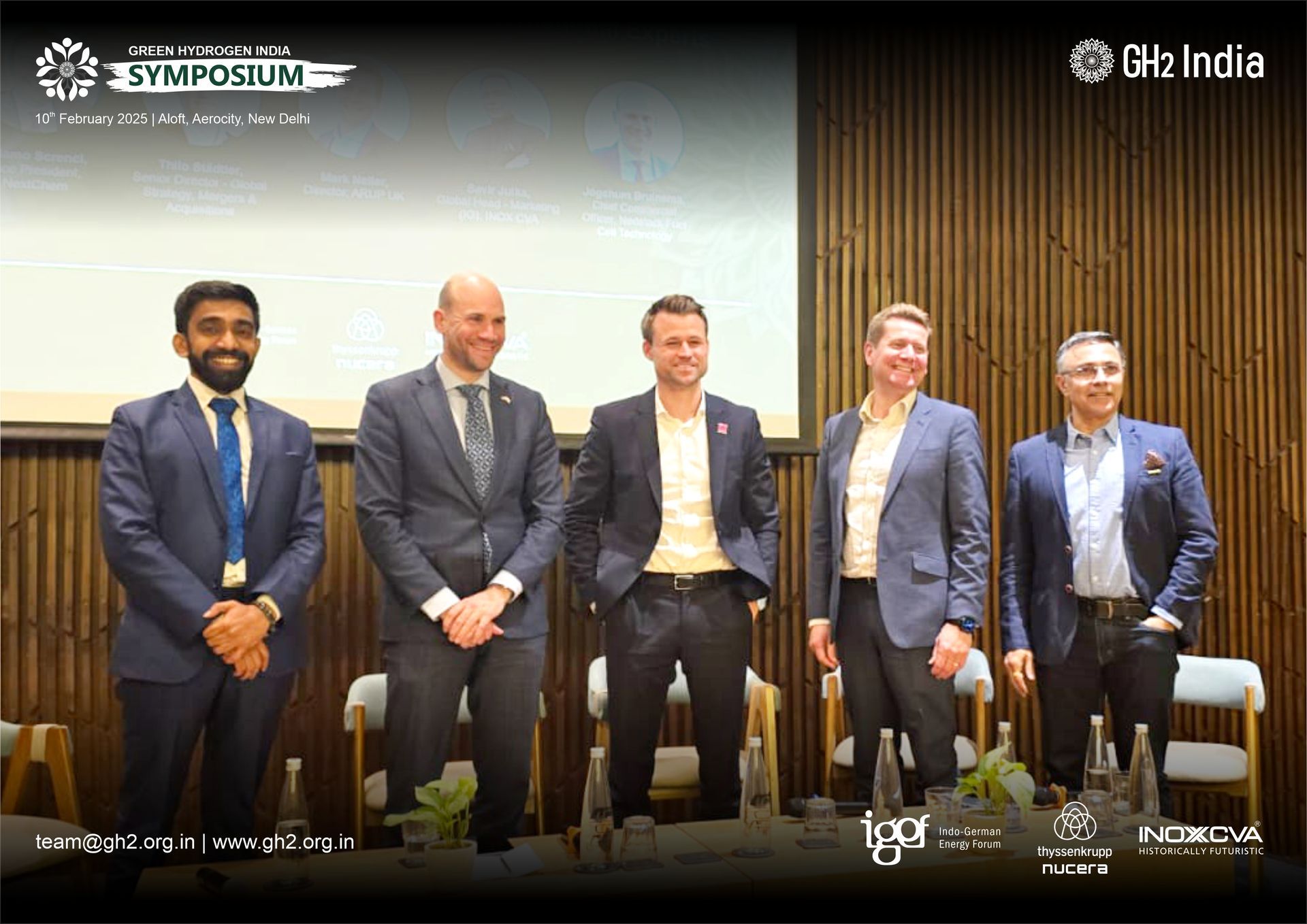
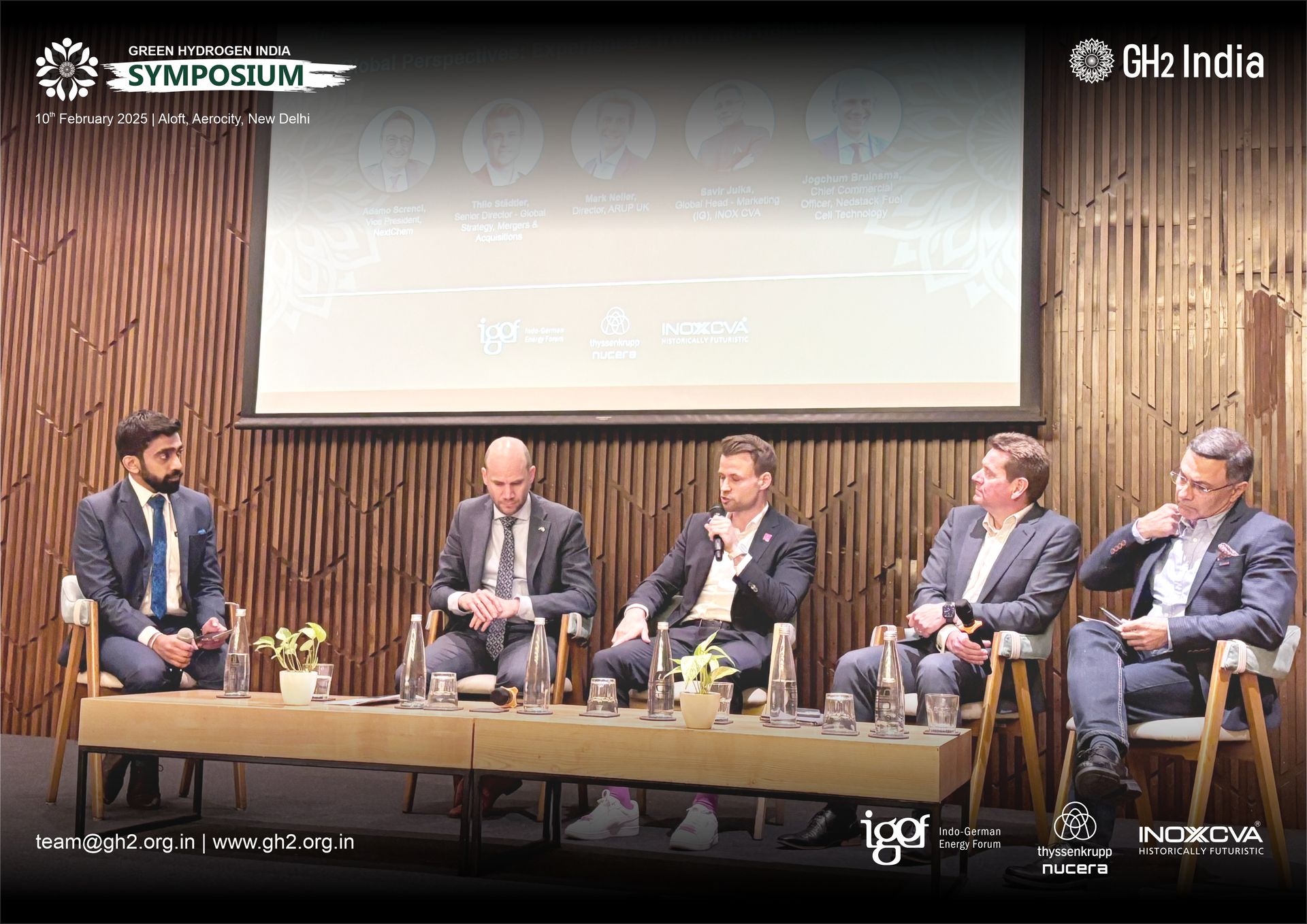
GHIS - Session 2
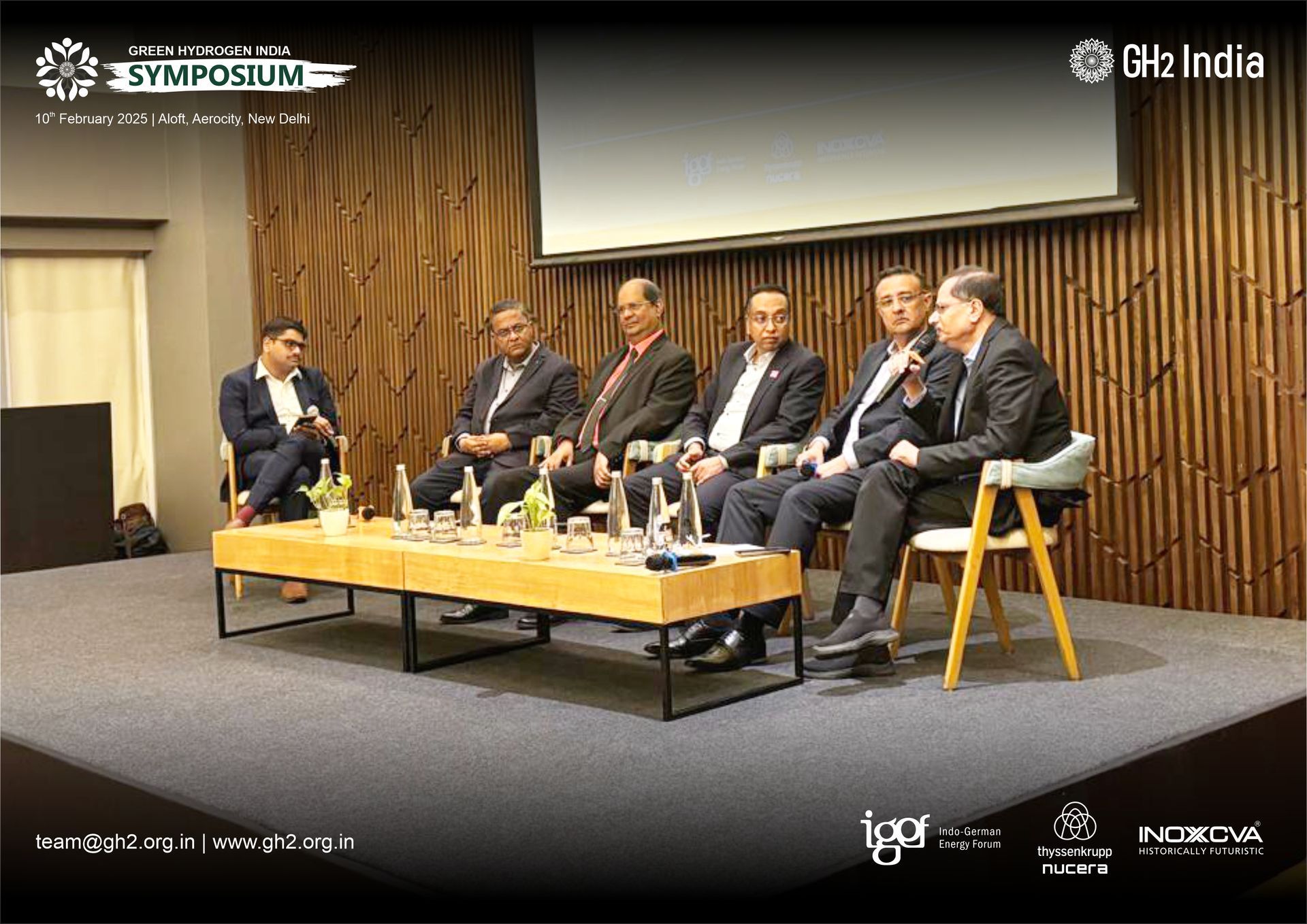
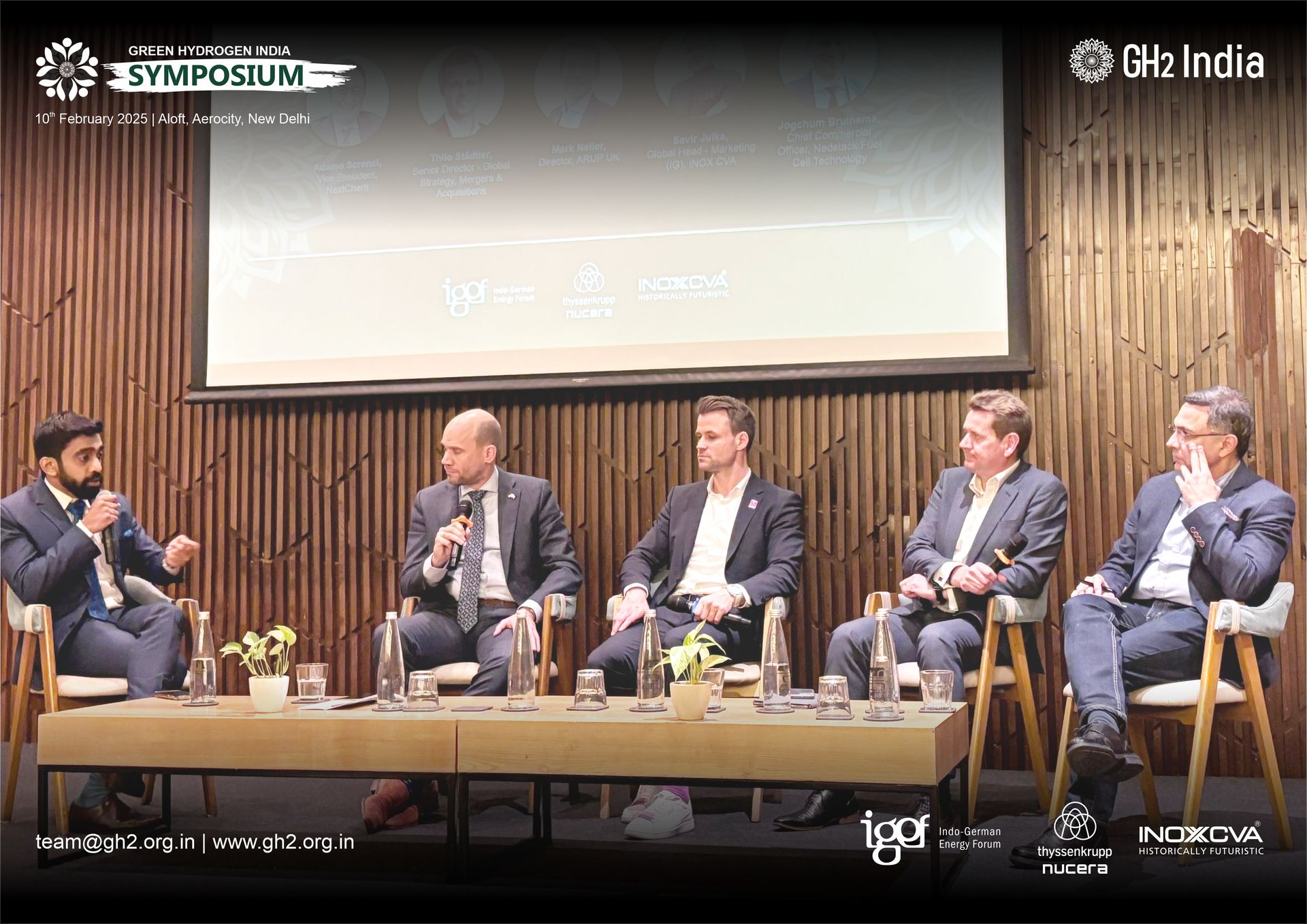
GHIS - Session 3
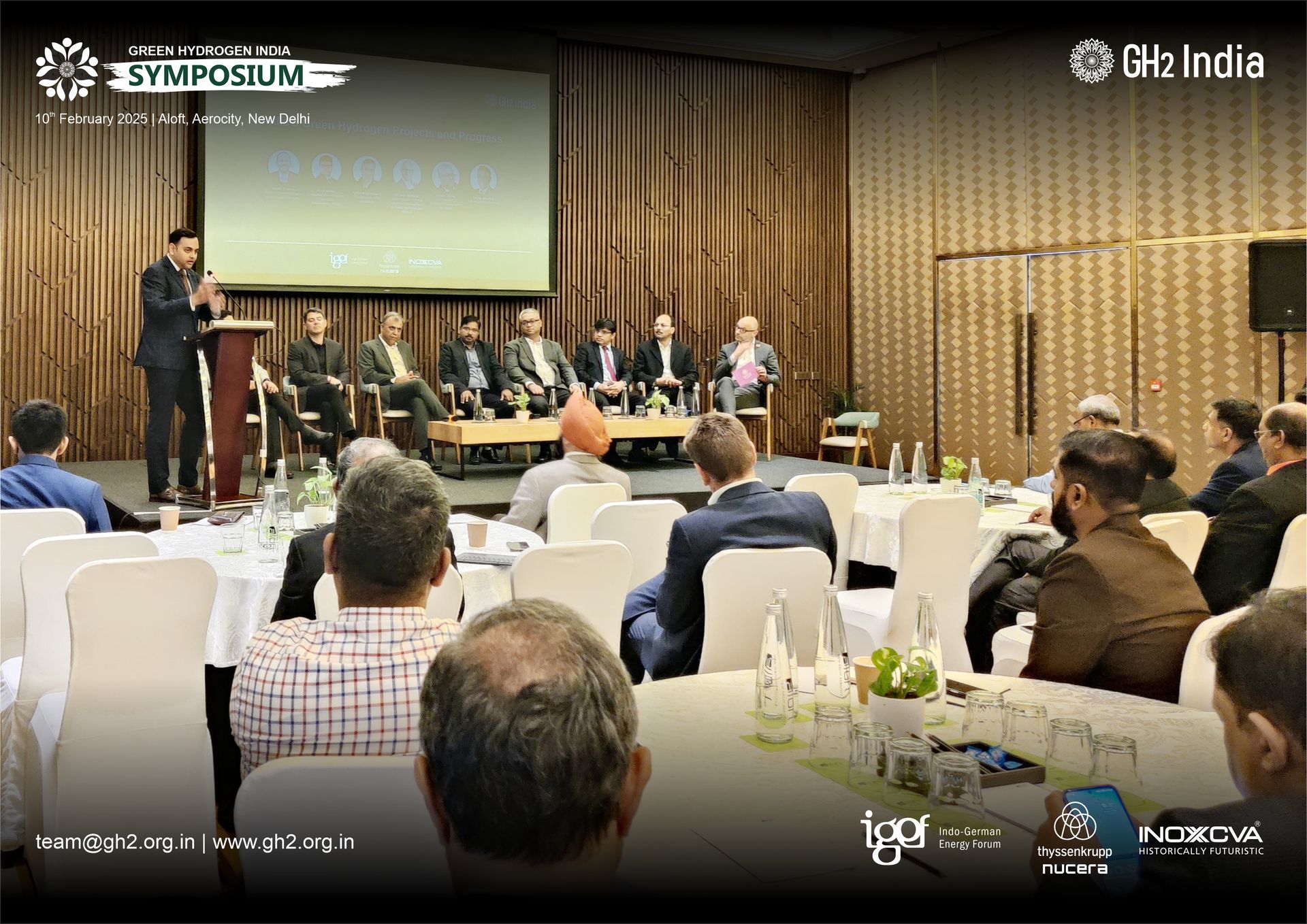
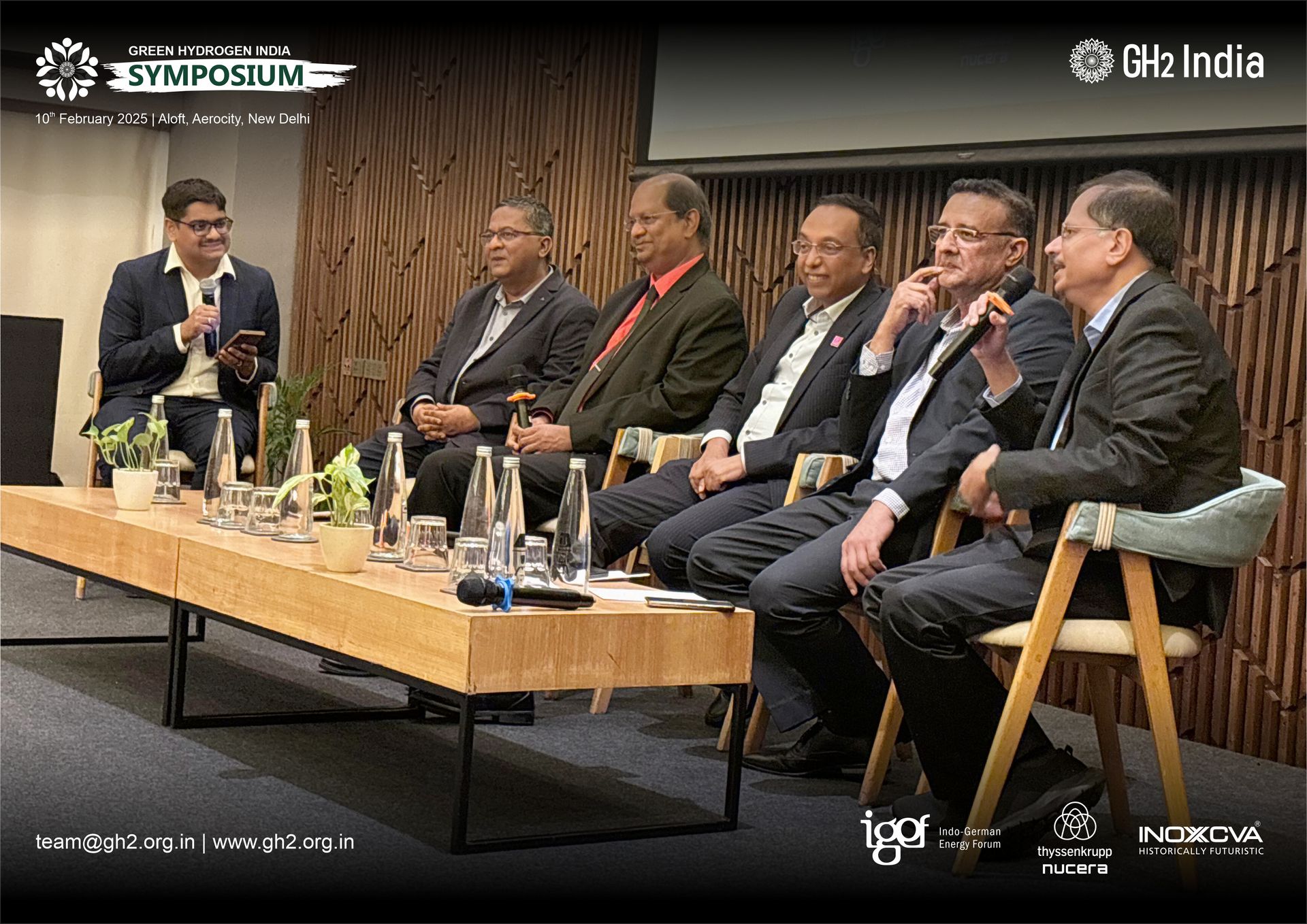
GHIS - Session 4
